We use cookies to make your experience better. To comply with the new e-Privacy directive, we need to ask for your consent to set the cookies. Learn more.
- Kris Coombes
- News
- 26 May 2016
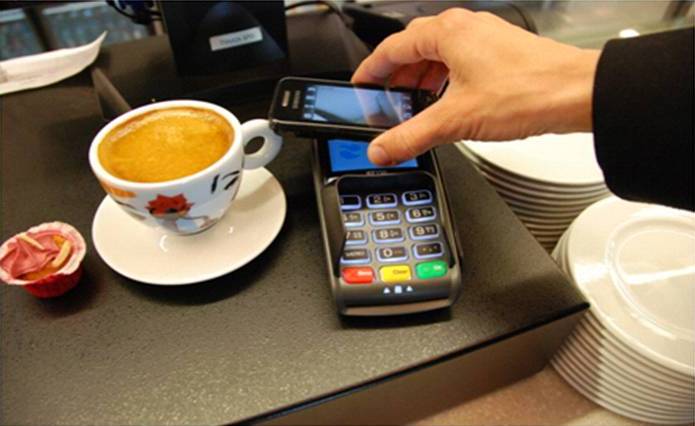
The use of contactless payment systems in restaurants, pubs and bars is on the rise. Establishments that do not accommodate new technologies could be at risk of falling behind.
The past two years have seen restaurants use contactless payment methods more and more. The simplicity of use for both customer and business has great appeal, and it’s becoming more apparent that customers enjoy shopping or eating out at places with contactless payment technology.
It’s becoming more vital than ever to have the option of contactless payments in restaurants, but there are some things to watch out for. This is only natural, as contactless as a payment method is still in its infancy.
The stats
Since the inception of the contactless card in 2008, it has consistently increased in popularity, but customers often felt restricted by the £20 transaction limit imposed on them. Since that was raised to £30, contactless usage has soared. Specifically, contactless spending in pubs and bars rose by 188% in 2015, and by 104% in restaurants. The average spend of a customer using contactless is now £25.
Do businesses risk falling behind?
It’s fair to say that as contactless becomes more refined and more accessible, it will become the primary payment method for the majority of small-scale purchases. As a result, it’s important to start integrating contactless as an option for customers.
Part of this is to do with customer journey, and the amount of time contactless payments save. In the same way that customers dislike long waits for service and food, the arguments over how to split the bill are completely spared, and time is saved over regular chip + pin payments.
It also shows that your restaurant, bar or pub is in touch with what customers want. While a rustic, homely feel is always welcome, there is no substitute for modern, slick technology where appropriate.
Ultimately, customers are always looking for the quickest ways to pay, and this often involves not using cash. It is vital to customer experience to accommodate all forms of payment, including contactless card, Apple Pay and now Android Pay, which last week became available in the UK.
What do you need to watch out for?
First of all, you need to ensure you’re well equipped with upgraded terminals and staff that understand contactless.
Secondly, be ready for accidental payment failures. On rare occasions, the terminal won’t pick up the payment, and by the time your server has recognised this, the customer has walked away having expected the technology to have worked its magic. This is one of the principle reasons why maximum spend is currently capped to £30.
As it is relatively new, fraud could be a problem. However, the risk of this is actually relatively low, thanks in part to the spend cap making it unappealing to target.
What’s in the future?
If it wasn’t already apparent that mobile technology was the way forward, recent developments in the industry have highlighted the direction restaurants, bars and pubs are going to be heading in. Zizzi allow customers to share the bill via the app QKR! (contracted from quicker, apt), Starbucks allow you to pre-order your drink and muffin via mobile so you can skip the queues and just collect on arrival. Salad chain Tossed have even decided to completely abolish cash from their restaurants, instead opting for a self-checkout system.
Convenience via mobile technology is the way forward, and the changes these businesses have made exemplify this. A desire for rapid service and the ability to perform all actions from one place - the smartphone - will be commonplace soon, with pre-ordering apps, quick payment technology and completely cashless payments on the menu.
Related Posts



Recent Posts
1

Kit your Kitchen: 20% off chef uniforms
26 Jun 2025
2

Uniform Workwear Trends 2025
27 Feb 2025
3


5

 RSS Feed